


[dýnamis/dunamis (δύναμις) is a potent concept, strongly expressed in Aristotle as well as throughout the Greek New Testament. It goes back further. Rooting from dynasthai, to be able, it covers a range of meanings from the mundane to the extraordinary. Power, capacity, potency, faculty, force. Homer used it mostly to refer to physical strength and capability. The pre-Socratics elevated its usage. Empedocles used it in relation to the capacities of his four roots (earth, water, fire, air) and the two motive forces (Love and Strife). Distinction was forming between the nature of a thing and its operative power. What it is, vs. what it can do. Plato then dove deeper in his Republic. A δύναμις became: what anything was insofar as it could affect or be affected by something else. Suggesting that perhaps what is real is just that which has the power to act or be acted upon. Then Aristotle, who positioned δύναμις as one of his core metaphysical pillars: the great opposition of δύναμις / ἐνέργεια (energeia) — potentiality and actuality — explored most fully in Metaphysics (Book IX). For Aristotle, every natural substance had δυνάμεις that drove it toward its ἐντελέχεια (its full realization, its being-at-completion). Dynamis then enters Neoplatonism, where it acquires cosmological and theological dimensions. In Plotinus, the One overflows into being through a kind of primordial δύναμις — power is the very principle of emanation. He spoke of the One as a δύναμις τῶν πάντων, a “power of all things.” This takes δύναμις beyond the physical finite real into something cosmologically generative and almost infinite in register. From there, late antique Christian theology runs with it. The Cappadocians (Basil, Gregory of Nyssa especially) navigated between divine δύναμις and divine οὐσία (essence), since one of the central hesychast and apophatic moves is to say that God’s essence is unknowable but His δυνάμεις (energies, operations) are accessible to creatures. This distinction between essence and energies becomes the great faultline in Byzantine theology, culminating in the Palamite controversy of the 14th century with Gregory Palamas defending a real distinction between divine essence and divine energies and Barlaam opposing it. Where are we going with all this? Well, the dynamis is here. In the room with us. To me, dynamis is a blend of potential/potentiation and ~miracle~. The capacity within reality for everything to change — at the very deepest levels! The whole shebang. Some refer to this as a ‘timeline shift’.. “with great δύναμις and glory” (Mark 13:26); the angel tells Mary that “the δύναμις of the Most High will overshadow you” (Luke 1:35). Matthew and John also use dynamis, though John much prefers σημεῖον (sign) to the dynamis of the synoptics. It appears some 120 times throughout the Greek scriptures. Paul certainly adores it. And then Pseudo-Dionysius takes it to its apophatic peak: God is called (in the Divine Names) Δύναμις because he is the source of all power in beings, the ground of every capacity anything has to act or be acted upon. But characteristically, P-D says God is not merely powerful but is hyperdunamis — beyond power — superpower in the sense of exceeding the category entirely. This is P-D’s standard move: affirm the name, then negate it, then transcend both affirmation and negation. God is δύναμις; then God is not δύναμις in any sense we can grasp; then God is paradoxically both δύναμις and not-δύναμις; and finally, God is neither δύναμις nor not-δύναμις, the ineffable cause beyond both power and non-power. The apophatic spiral. We are entering the ὑπέρφωτος γνόφος, the “superbrilliant darkness” of the Mystical Theology. We have entered it. The Divine Darkness. And it is the Fire Horse taking us by the reins into that cloud of transcendent unknowing. To the realm of the hyper~dynamis, the hyperdynamic. Where, truly, everything can (and does) change. Even the deepest structural truths of the universe. Truths which have been upheld for thousands of years. Six thousand years. Twelve thousand years. Watch with interest / as everything changes / again~ ] Received 2/17/2026 | 10:42-43am
Companion Missive #26 - PREPARE THYSELF (11/11/2023)
Listen to the Recitation:
WHAT'S TRUE FOREVER
Today may no longer be true
Tomorrow. What's true forever today
May no longer be true tomorrow.
What's true forever today may
No longer be true tomorrow. What's
True forever today may no longer
Be true tomorrow.
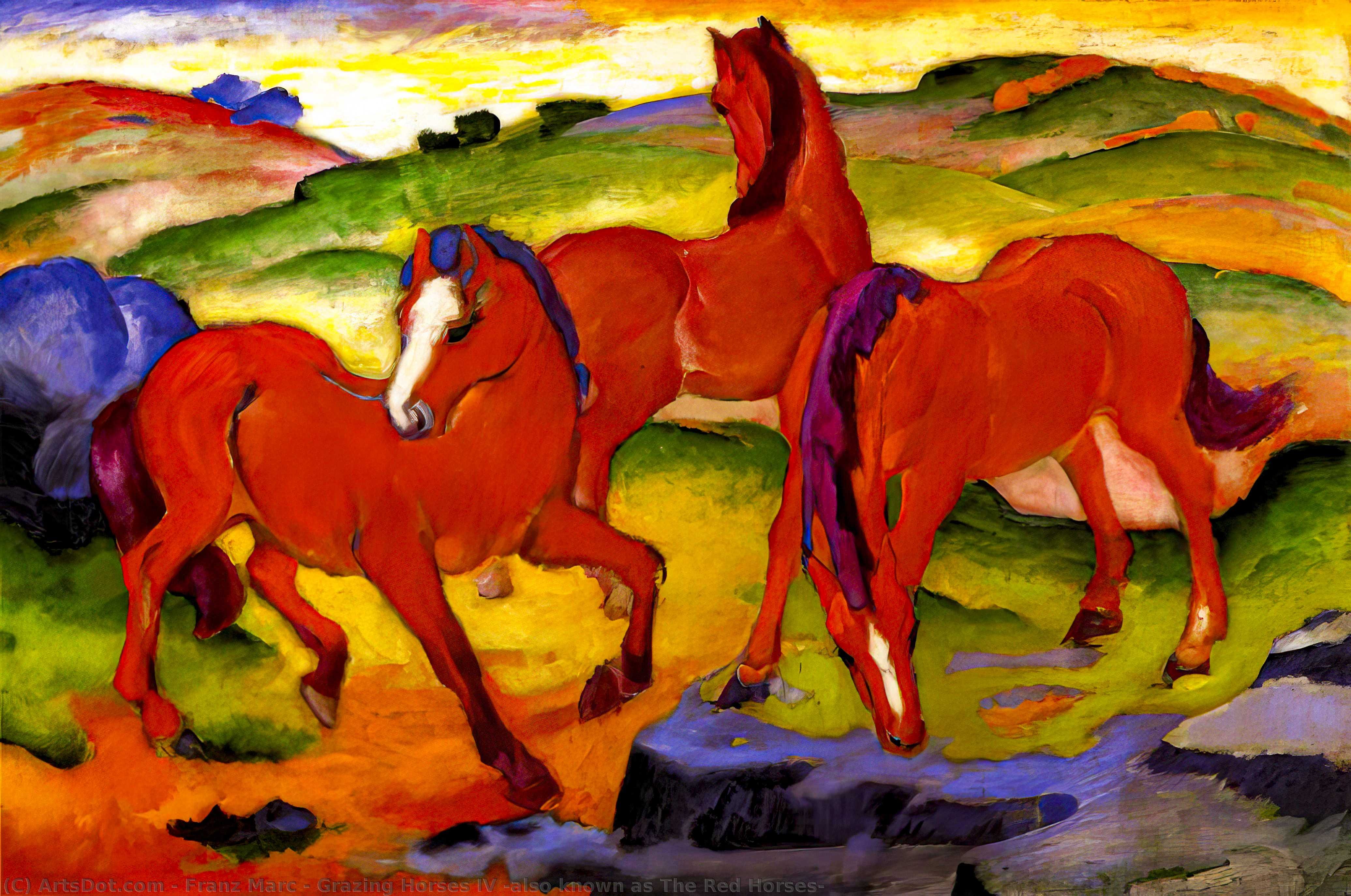
* Note: I can’t remember exactly the first time this phrase became real to me, but the first time I transcribed it was in August 2023 (see: Missive #15 - LULLS IN LABYRINTHS). The articulation then was “What is true forever today may no longer be true / Tomorrow.” This phrase came through at a very challenging time in my life when commitments I had made in earnest, as forever//till-death commitments, were disintegrating. The world collapses this way. I recall hearing phrases thrown around like “What is true today may become a lie tomorrow” or “What was true yesterday may not be true today”, so the evolution here is the simple addition of true forever. Not mere truth changes, but eternal truth. Vishnu can wake from his dream at any moment. What is eternal right now can be gone tomorrow. Which yet does not invalidate/violate its eternality in the moment — its foreverness today. Anantashayanam. I woke into this recitation of the phrase, with clear visuals of the line-breaks, and quickly transcribed it. I looked at it for a long time deciding if it was right to share today (or at all), and landed on, yes. It can go. Not only does it complement the 25th Ode, but it also constellates very cleanly with my understanding of Fire Horse, of the Red Mare. The untameable aspect which can change the unchanging, the deep-seated. The dynamis. You cannot help but chase her. And, before you know it, you end up someplace completely different, new, strange. Uncanny. Unheimlich. We are driven.
stunning